
Many people feel the draw of fly fishing’s quiet focus and peaceful settings. If you’re searching for “Fly fishing classes near me,” you might be picturing yourself on a tranquil river, skillfully casting a line. It’s not just a skill; it’s an art form and a deep connection with nature.
This pursuit is more than a simple hobby. It’s a way to join a community that values patience, the thrill of the catch, and the beauty of the outdoors. Fly fishing has a unique way of mirroring life’s challenges and rewards.
Finding the Right Fly Fishing Class
When looking for fly fishing instruction, consider what you want to learn. Are you starting from scratch, or do you aim to perfect your casting technique? Local fly shops are great resources, often hosting a variety of classes. For instance, Fly Fishing Specialties provides courses ranging from introductory lessons to those focused on advanced techniques. These cater to all skill levels.Beginning Your Fly Fishing Journey
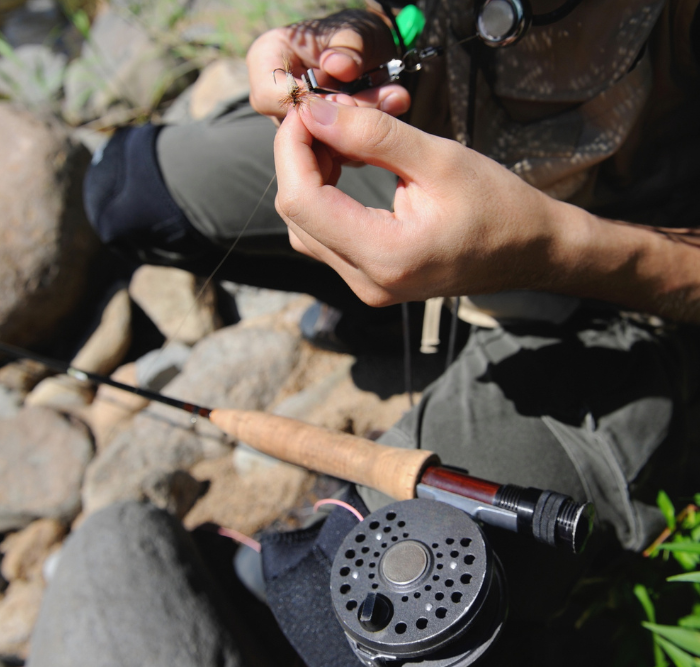
Introductory classes typically cover the sport’s fundamentals. This includes an overview of fly fishing, the necessary fishing gear, and basic casting techniques. These beginner courses also educate participants about different fish species and their habitats. Instructors discuss costs, recommend fly fishing gear, teach essential knots, guide fly selections, and explain stream etiquette.Fly Tying Basics
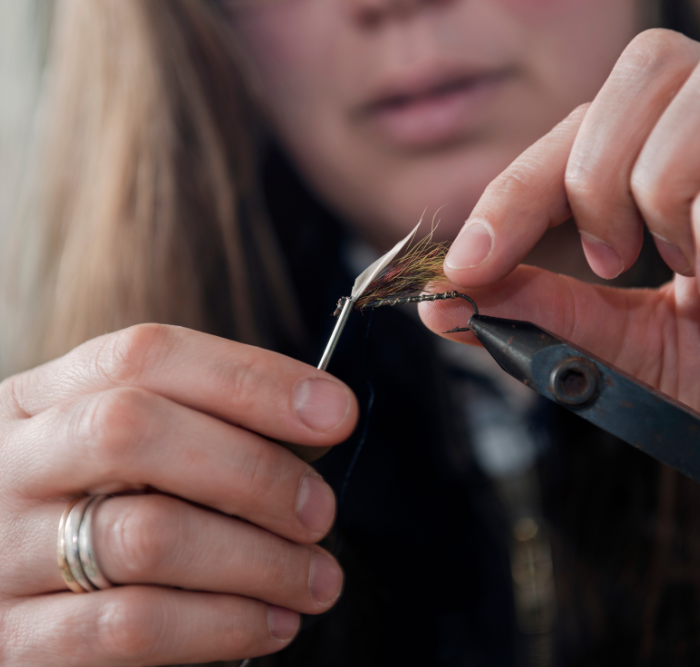
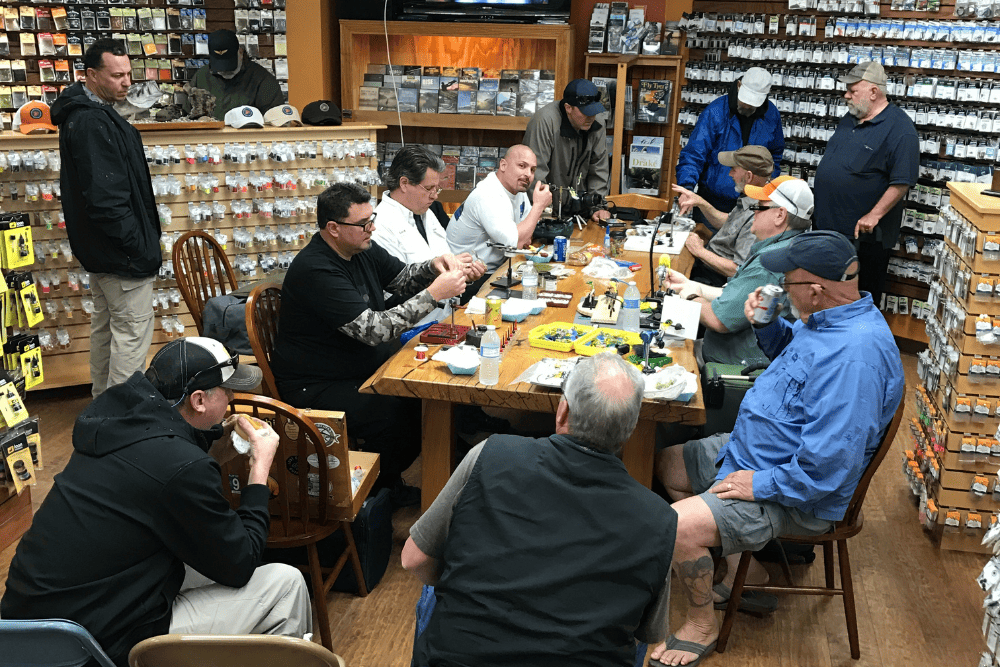
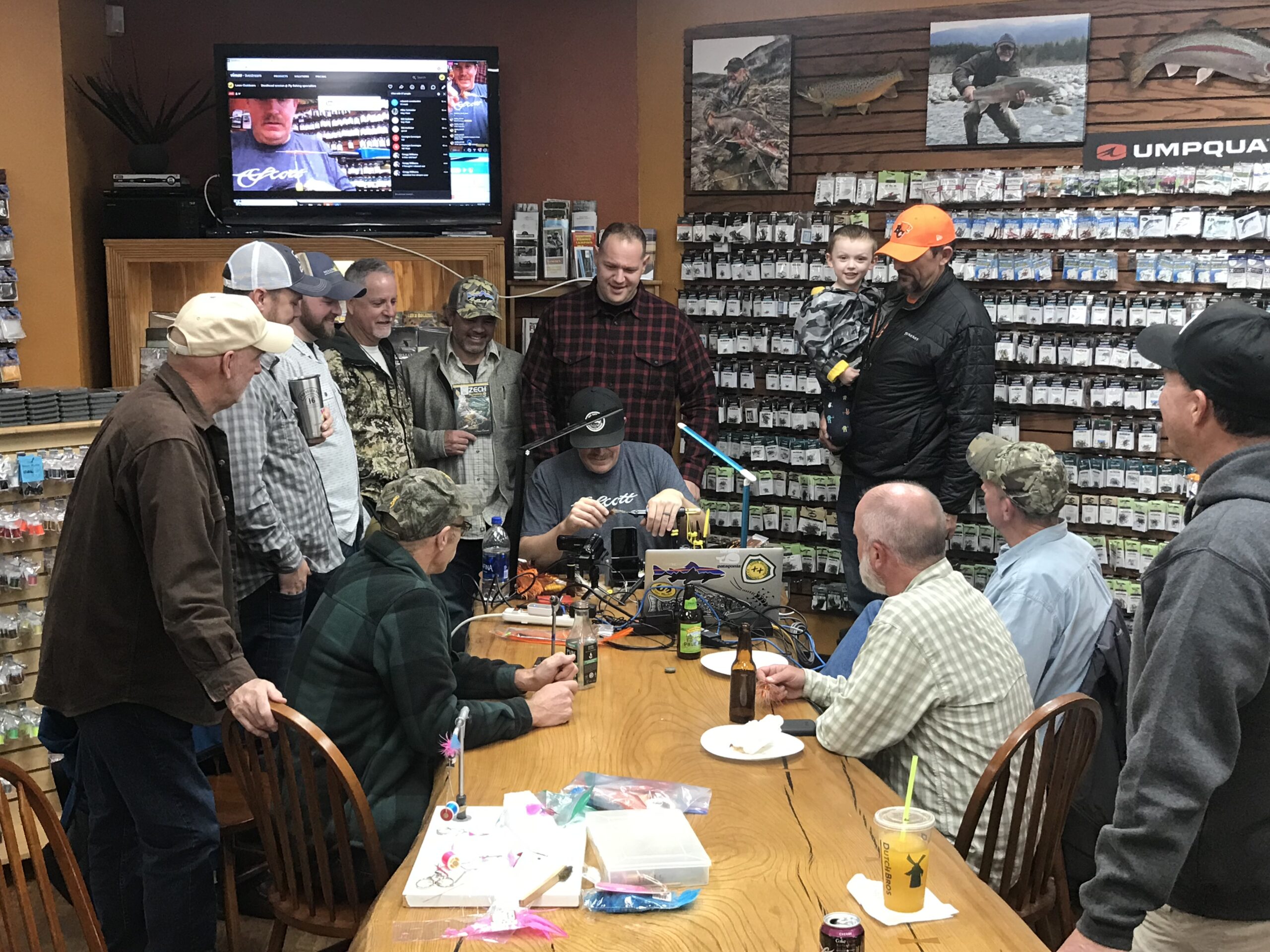
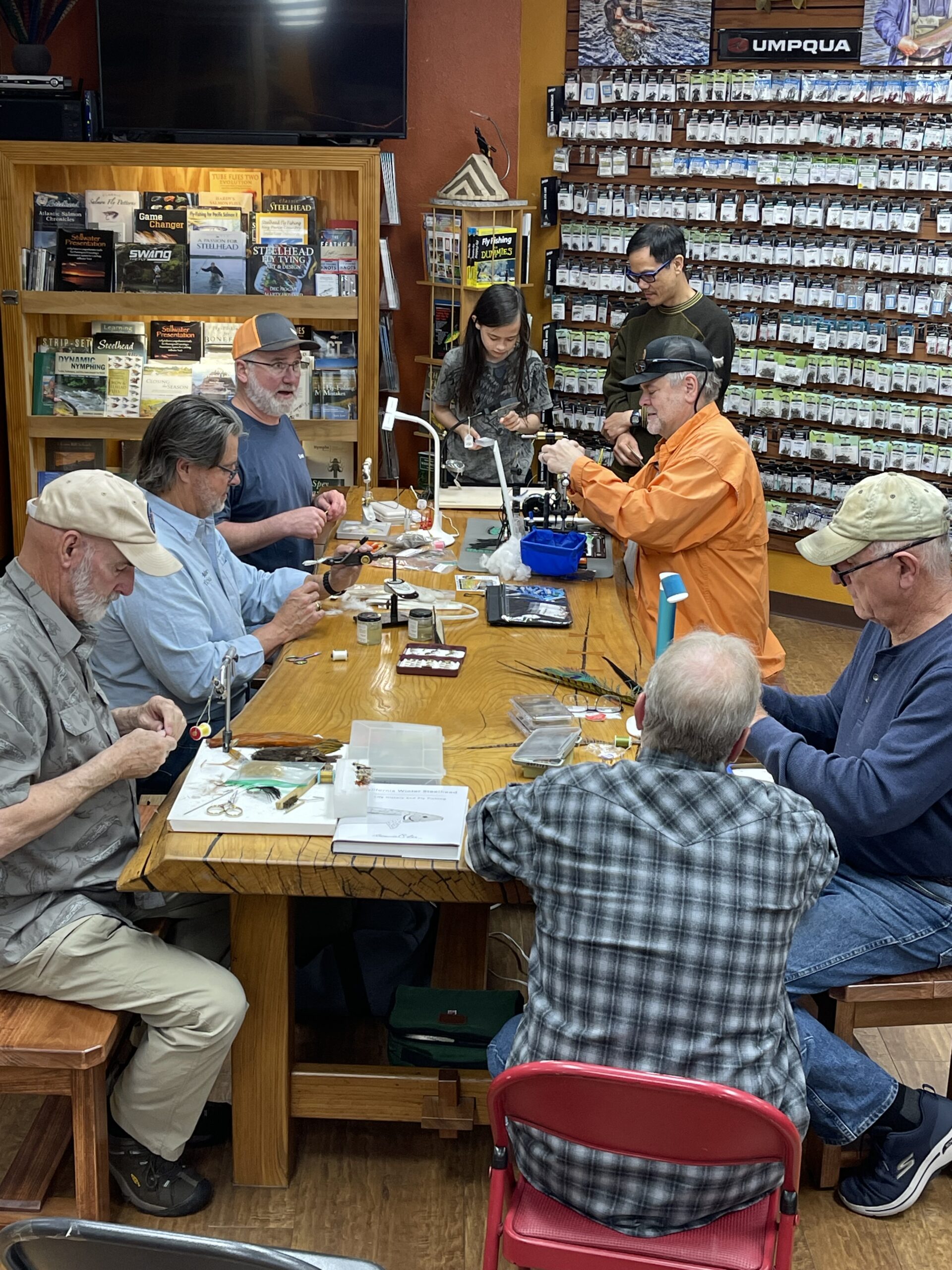
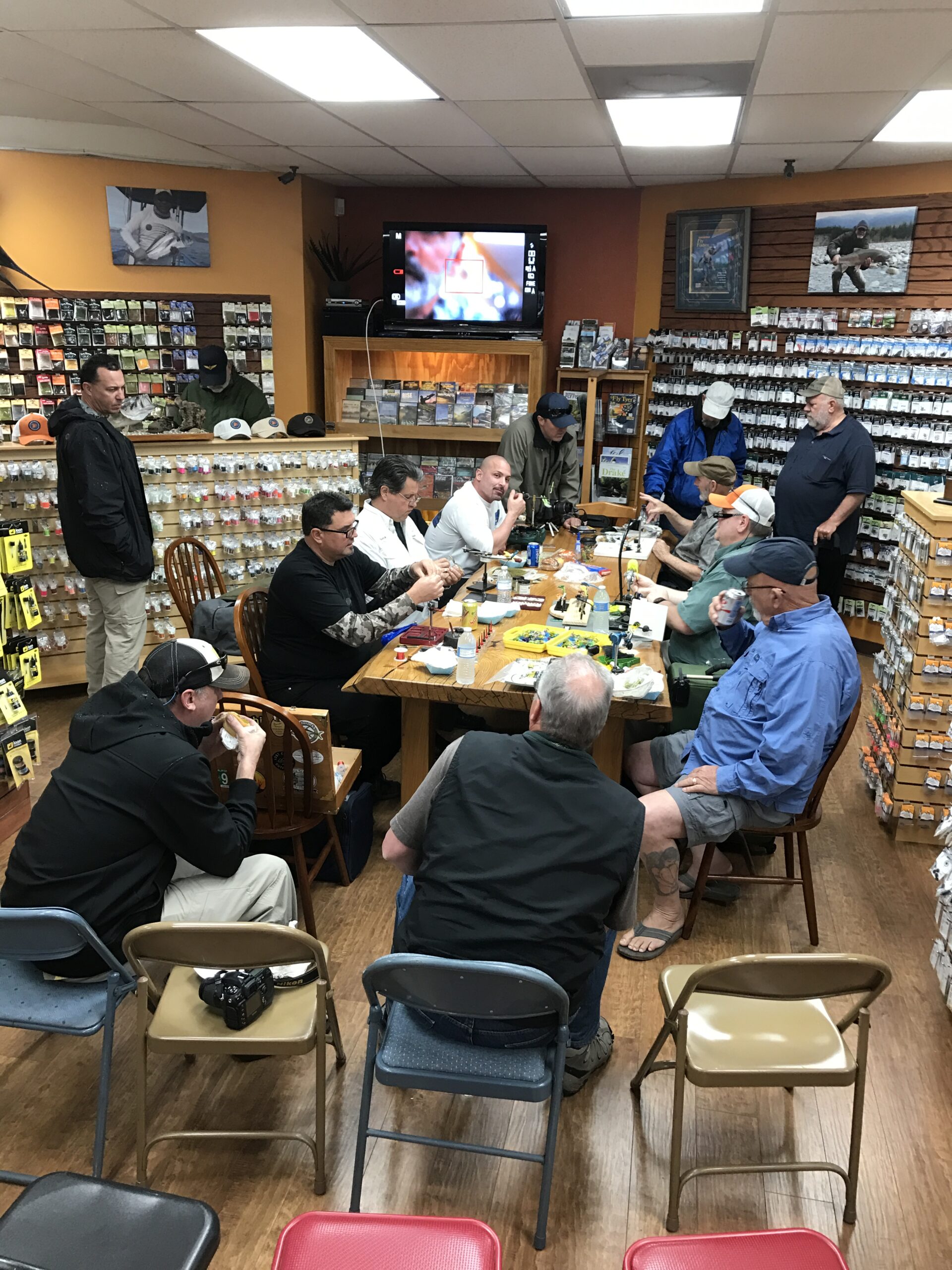
Tying your flies is a rewarding aspect of fly fishing. Fly tying class teaches you to create lures that effectively attract fish. These classes often require specific tools. For example, a fly tying vise, thread bobbin, and scissors are must-haves for anyone wanting to craft their flies.Stepping Up to Advanced Courses
Advanced workshops cater to those with some fly fishing experience. These sessions allow you to concentrate on specific skills, such as technical dry flies fishing. They address nuances like presentation casts, aerial mending, and interpreting rise forms. Additionally, they offer a more in-depth exploration of entomology.Dry Fly Fishing Focus
Dry fly fishing involves a subtle and intricate interaction with trout. Advanced workshops dedicate significant on-the-water practice to mastering this method. Participants learn about leader design and how to set up their line for optimal performance properly.Two-Handed Rod Techniques
Workshops on two-handed rod techniques are available for those interested in pursuing larger fish like steelhead. Spey casting, a specialized two-handed technique, is beneficial on larger rivers. It allows for long casts with minimal effort.Private Lessons for Specific Skills
Some anglers prefer one-on-one training. This approach allows you to address specific challenges and customize lessons to align with your fishing goals. Private casting classes are particularly popular, as casting distance and form significantly influence success. Personalized instruction can provide the focused guidance needed to improve these critical skills.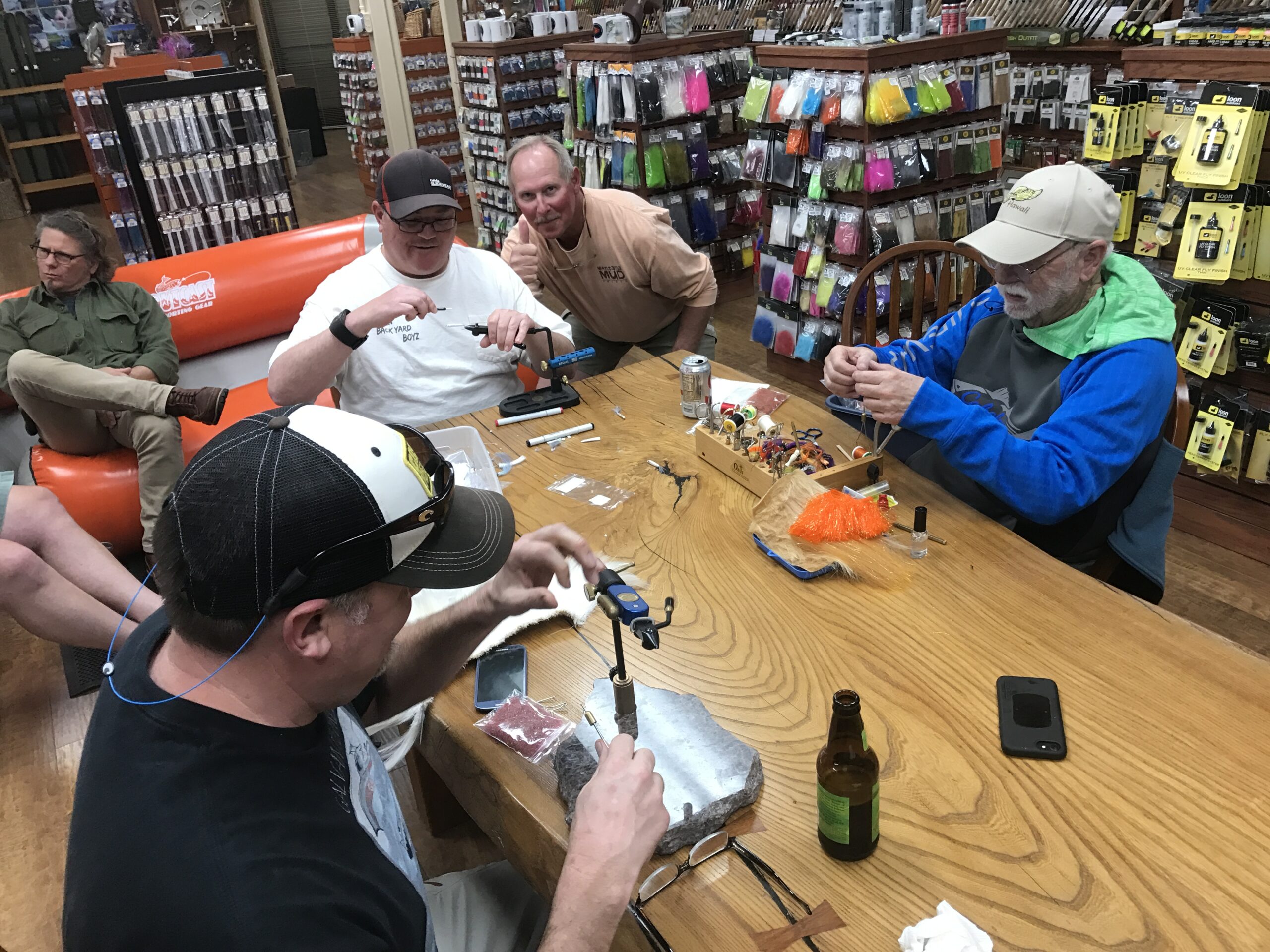
Choosing Equipment and Gear
Selecting the appropriate gear significantly affects your fishing success. Fly fishing rods, reels, and lines should be chosen to match the type of fishing you plan. A 4, 5, or 6-weight fly rod and reel combination is generally recommended for trout. Advice on these selections can often be obtained from local fly shops or instructors.Understanding Waders and Boots
Men’s waders are essential for many fly fishing environments. They keep you dry and comfortable while in the water. Good boots with a strong grip are also crucial for safe navigation on riverbeds, and they contribute to an enjoyable experience on the river.Planning and Safety
Before heading out, check water conditions and fishing regulations. You should make sure you have situational awareness. Depending on the area and the species you are targeting, a fishing license and report cards may be required. Certain regions also require specific stamps. Always adhere to local fishing regulations.Importance of River Etiquette
Practicing good stream etiquette helps maintain a pleasant environment for all anglers and limits issues on the water. Giving others ample space, being mindful of noise levels, and packing out any trash are beneficial practices. These standards demonstrate respect for fellow anglers, especially as the number of people enjoying the sport grows.Gearing up for Fly Fishing
Gear selection is critical to your success. You must make good choices about fly fishing rods, reels, and lines. Whether setting up for freshwater or saltwater fly fishing, understanding line weight will impact your experience. Having the proper weight and equipment for your target species is critical.Rod Selection Matters
The rod you choose is crucial to your success on the river.| Rod/Reel Weight Selection | Line Setup |
| 3 Weight to 5 Weight | Dry Flies for Trout |
| 6 Weight to 8 Weight | All Around Rod and Reel Selections |
| 9 Weight and above | Saltwater and larger species |
| 10 Weight and above | Euro nymphing |
Recommended Flies/Gear
Local Fly Fishing Classes Near Me
Finding fly fishing schools locally makes starting your journey into this hobby easier and more accessible. You will want to get hands-on experience in your local waters. Check nearby fly shops and community centers for details on available sessions. Ensure that instructors demonstrate expertise in essential techniques like fly tying and casting. The skills that matter are directly related to catching fish, and experience matters.Online Resources and Support
The internet is full of valuable fly fishing resources that offer articles and forums where anglers share tips and advice. Many fly shops also maintain websites where they post class schedules and course details. These sites often provide convenient online registration for their sessions, too.Community and Ongoing Learning
Fly fishing involves more than just learning techniques; community participation dramatically enhances the experience. Connecting with a group will improve your experience. Engaging with others at local events or on fly fishing trips provides valuable learning opportunities. Group interaction enriches your personal growth in the sport.Continued Skill Practice
Keeping your fishing skills sharp ensures you’re prepared for various fishing scenarios. The more time you spend on the water, the more fish you catch. Attending different classes, such as those focused on fly tying and nymphing, broadens your skill set. Each style presents its own set of challenges and rewards.Conclusion
Fly fishing is a beautiful way to connect with nature and enjoy the outdoors. The fishing learning center community encourages patience, a valuable asset in fishing and life. If you’re considering “fly fishing classes near me,” your initial lessons will set the foundation for your journey. Key steps for any newcomer include finding suitable classes, understanding equipment basics, and adhering to ethical fishing practices. You can enjoy nature.FAQs
When selecting a class, think about your current skill level and what you want to learn. Are you a beginner looking to understand the basics, or do you have experience and want to refine specific techniques?
Local fly shops often offer a variety of classes. Check with nearby shops and community centers for available sessions, and make sure the instructors have expertise in essential techniques.
Introductory classes typically teach the fundamentals, including an overview of fly fishing, necessary gear, basic casting techniques, fish species, and their habitats. You will also learn about knots, fly selections, and stream etiquette.
Fly tying classes teach you how to create your own lures to attract fish. You will need specific tools like a fly tying vise, thread bobbin, and scissors to participate.
Advanced workshops focus on specific skills, such as dry fly fishing techniques, presentation casts, and entomology. They provide hands-on practice and detailed instruction to improve your abilities.
Yes, private lessons are an option for those who prefer personalized instruction. These sessions can be customized to address specific challenges and improve skills like casting distance and form.
Selecting the appropriate gear is crucial for success. Choose fly rods, reels, and lines based on the type of fishing you plan to do. For trout fishing, a 4, 5, or 6-weight combination is generally recommended.
Waders keep you dry and comfortable while fishing, while good boots with strong grip are important for safety on riverbeds. Both are essential for an enjoyable experience.
Practicing good stream etiquette helps maintain a pleasant environment for all anglers. Respecting others by giving space, keeping noise levels down, and cleaning up after yourself contributes to a better fishing experience.
Regular practice is key to honing your skills. Attend different types of classes, engage with the fly fishing community, and spend time on the water to enhance your abilities and catch more fish.