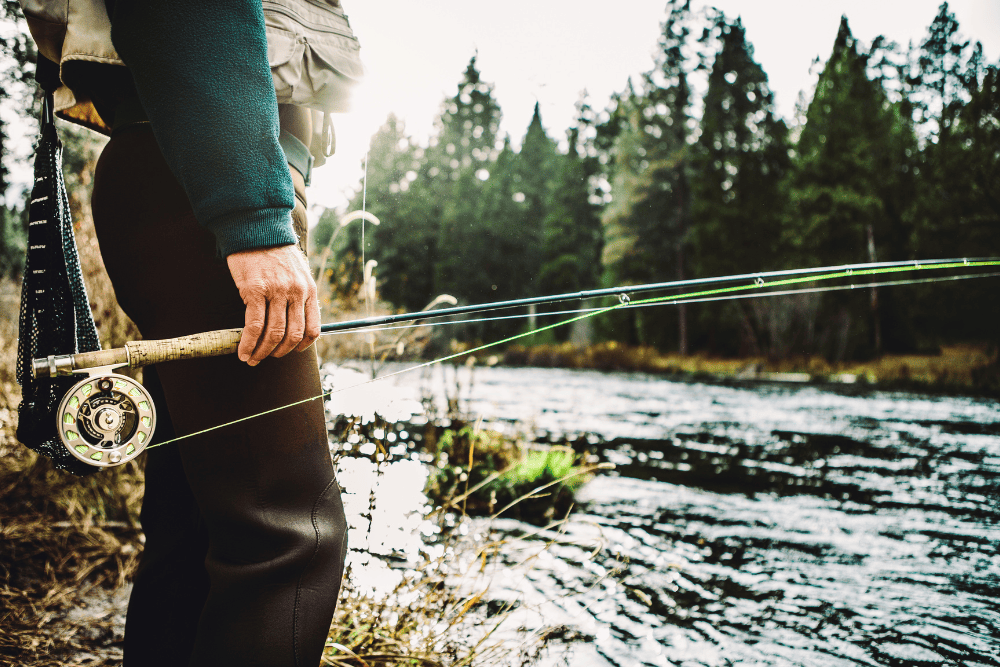

Fly fishing is more than just a pastime—it’s an immersive experience that connects you to nature, hones your focus, and challenges your skill. But before you cast your first line, you’ll need the right gear to match your fishing style, local waters, and target species. For beginners, the variety of rods, reels, lines, and flies can seem daunting. Even seasoned anglers know that choosing the right kit can make the difference between a frustrating day and an unforgettable one. In this guide, we’ll simplify the process by walking you through each essential component of a fly fishing kit, giving you the confidence to gear up and get out on the water with purpose. Whether you’re exploring mountain streams, stillwater lakes, or coastal flats, this guide will help you build a kit that’s tailored to your journey.
Ready to Elevate Your Skills?
Fly Fishing Classes
Whether you're just getting started or looking to refine your technique, our expert-led fly fishing classes will get you on the water with confidence. Browse our upcoming classes and book your spot today—spaces fill fast!
The Basics of a Fly Fishing Kit
A well-rounded fly fishing kit includes several key items. These pieces of gear work together to help you cast, catch, and land fish effectively. Here’s what you need to know about each component.
1. The Fly Rod
Your fly rod is the backbone of your kit. It’s what you’ll use to cast your line and fight fish. Fly rods come in different weights, lengths, and actions. For beginners, a 9-foot, 5-weight rod is a versatile choice that works well for various fishing situations.
2. The Fly Reel
The reel holds your line and provides drag when fighting fish. Look for a reel that matches your rod weight. Many anglers prefer large-arbor reels for easier line retrieval and less line memory.
3. Fly Line
Fly line comes in different weights to match your rod. It’s what helps you cast your lightweight flies. A weight-forward floating line is a good all-around choice for most fishing situations.
4. Leader and Tippet
The leader connects your fly line to your fly. It tapers down to a fine point, helping your cast land softly on the water. Tippet is an extra line you add to the end of your leader to extend its life or change its strength.
5. Flies
Flies are the lures you’ll use to catch fish. They come in many styles, imitating various insects and baitfish. Start with a selection of dry flies, nymphs, and streamers to cover different fishing techniques.
Essential Accessories for Your Fly Fishing Kit
Beyond the basic gear, several accessories can enhance your fly fishing experience and increase its success.
1. Waders and Boots
Waders keep you dry when fishing in rivers and streams. Pair them with sturdy wading boots for good traction on slippery rocks. Felt-soled boots offer excellent grip but may be restricted in certain areas due to concerns about the spread of invasive species.
2. Vest or Pack
A fishing vest or pack helps you carry all your gear. Look for one with plenty of pockets to organize your flies, tools, and other accessories.
3. Net
A good net makes landing and releasing fish easier and safer. Choose a rubberized net to protect the fish’s slime coat.
4. Nippers and Forceps
Nippers help you cut line and trim knots. Forceps help remove hooks from fish and pinch down barbs on your hooks.
5. Floatant and Sink
Floatant helps keep your dry flies riding high on the water’s surface. Sink, on the other hand, helps your nymphs and streamers get down in the water column faster.
Shop Now
Choosing the Right Fly Fishing Kit for You
When selecting your fly fishing kit, consider where and how you’ll be fishing most often. Different environments and target species may require specific gear.
Freshwater vs. Saltwater
If you’re primarily fishing in freshwater, a standard kit will suffice. But for saltwater fly fishing, you’ll need corrosion-resistant gear and heavier rods to handle bigger fish and windy conditions.
Target Species
The type of fish you’re after will influence your gear choices. Trout fishing typically requires lighter gear, while bass or salmon fishing might call for heavier rods and lines.
Fishing Style
Your preferred fishing style also matters. If you enjoy dry fly fishing for rising trout, you might opt for a softer, more delicate rod. For nymphing or streamer fishing, a faster-action rod can be beneficial.
Building Your Fly Fishing Kit on a Budget
Quality fly fishing gear can be expensive, but there are ways to build a functional kit without breaking the bank.
1. Consider Combo Kits
Many manufacturers offer combo kits that include a matched rod, reel, and line. These can be a cost-effective way to get started.
2. Buy Used Gear
Look for used gear in good condition. Many anglers upgrade their equipment regularly, so you can often find quality used gear at a fraction of the new price.
3. Prioritize Essential Items
Start with the basics and add accessories as you go. A rod, reel, line, and a few flies are enough to get you on the water.
4. Invest in Quality Where It Counts
Spend more on items that directly affect your fishing, like your rod and reel. You can save on accessories and upgrade later.
Maintaining Your Fly Fishing Kit
Proper maintenance will help your gear last longer and perform better. Here are some tips to keep your kit in top shape:
- Rinse your gear with fresh water after each use, especially if fishing in saltwater.
- Dry your fly line and backing before storing to prevent mildew.
- Store your rods in tubes or cases to protect them from damage.
- Clean and lubricate your reel regularly.
- Check your leaders and tippet for wear and replace as needed.
Expanding Your Fly Fishing Kit
As you gain experience, you might want to expand your kit. Here are some additions to consider:
1. Additional Rods
Different weights and actions for various fishing situations.
2. Specialty Lines
Sinking lines for deep water fishing or delicate presentation lines for wary trout.
3. Fly Tying Kit
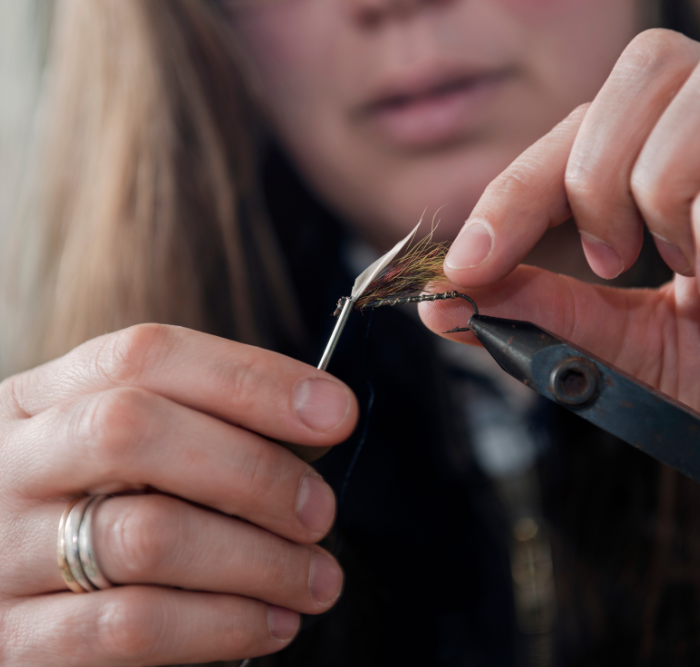
Many anglers enjoy tying their own flies. A basic fly tying kit can be a fun addition to your gear.
4. Waterproof Camera
To capture memories of your catches and beautiful fishing locations.
5. First Aid Kit
Safety should always be a priority when fishing, especially in remote areas.
Learning to Use Your Fly Fishing Kit
Having the right gear is just the beginning. Learning to use your fly fishing kit effectively takes time and practice. Here are some ways to improve your skills:
- Take a fly fishing class or hire a guide for hands-on instruction.
- Practice your casting in a park or backyard before hitting the water.
- Join a local fly fishing club to meet other anglers and learn from their experience.
- Read books and watch videos on fly fishing techniques and entomology.
- Spend time on the water. There’s no substitute for real fishing experience.
Conclusion
Assembling the perfect fly fishing kit is less about having every piece of gear and more about understanding what truly enhances your experience on the water. Start with a solid foundation—reliable, well-matched equipment that suits your environment and skill level—and let your kit evolve alongside your passion and progress. The true heart of any setup isn’t the rod or reel, but the angler behind it. With time, patience, and a willingness to learn, you’ll not only master the gear—you’ll master the art. So gear up, trust the process, and step into the water with confidence. Your next great fly fishing adventure is waiting.