
A fly fishing net is critical gear for any angler serious about their craft. These specialized tools help you land fish safely and efficiently, making them a must-have for your fishing adventures. With numerous options available, ranging from compact hand nets to specialized boat nets, selecting the right one requires careful consideration.
Let’s explore the details of fly fishing nets and highlight the best options for different situations you might encounter on the water. Finding the perfect landing net can significantly improve your catch rate and fish handling practices. This guide will serve as your ultimate resource for purchasing fishing nets.
Why You Need a Quality Fly Fishing Net
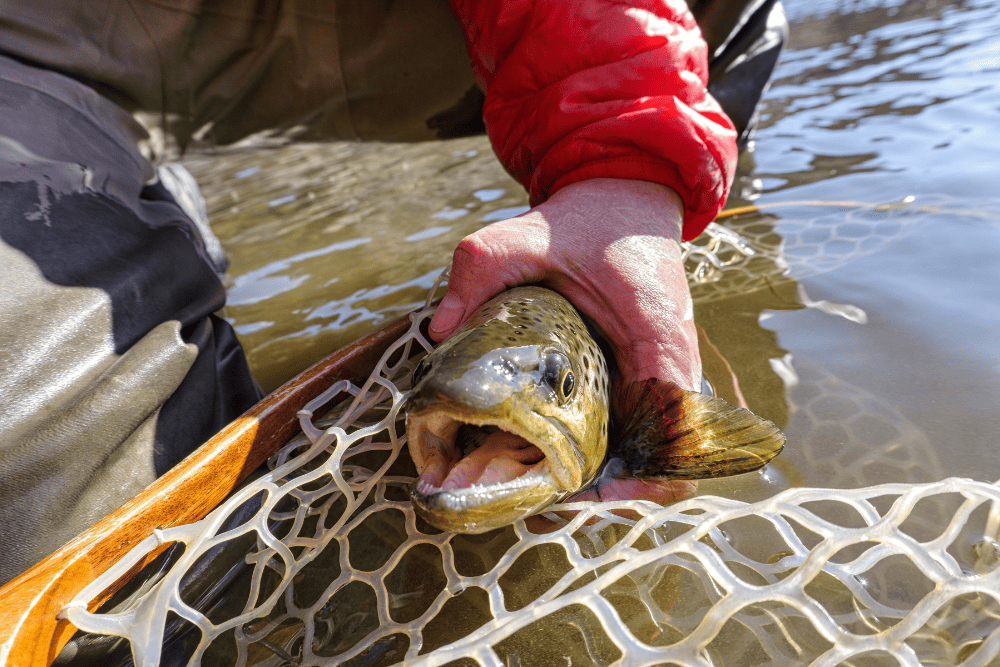
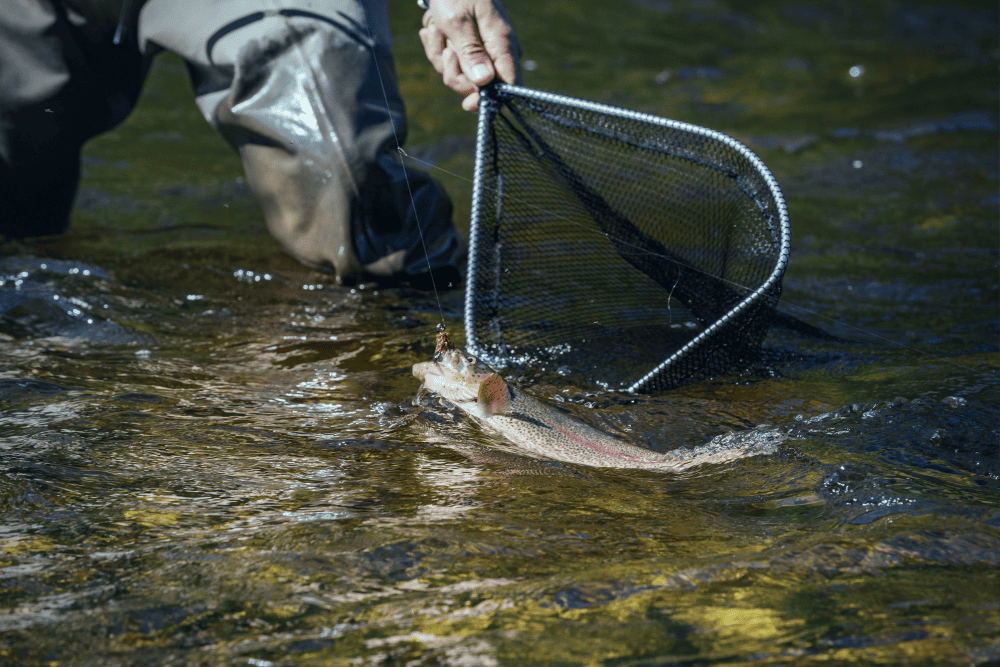
A good fishing net provides more than just convenience. It’s a crucial tool that protects both you and the fish you pursue. Using landing nets allows you to quickly secure your catch, reducing stress on the fish and improving its chances of survival if you’re practicing catch-and-release.
Nets also keep you safer by limiting direct handling and minimizing contact with sharp fins or teeth. Furthermore, a reliable net significantly increases your odds of landing that prized big fish without losing it boatside or at your feet.
Types of Fly Fishing Nets
Fly fishing nets come in various styles, each suited for particular angling scenarios. Understanding the main types helps you choose the most appropriate landing net for your needs. Consider where you fish most often and the size of your target species.
1. Hand Nets
Hand nets, sometimes called a trout net, are the most common type used in fly fishing. They feature a compact design, are generally lightweight, and easy to carry attached to a fishing vest or pack. These nets typically have a short handle, making them ideal for wading anglers or those fishing from small watercraft, such as kayaks.
Many quality hand nets, such as the popular Fishpond Nomad Emerger or models with a short handle like the Simms Daymaker landing net, integrate seamlessly with wading accessories. Often, they utilize a magnetic release system, allowing quick deployment while keeping the net secure and out of the way while casting your fly lines.
These nets are ideal for most freshwater situations where portability is valued. The SF Fly Fishing soft rubber net is another excellent example, offering fish-friendly materials in a convenient size. They are often the first net a newcomer to fly fishing might purchase.
2. Boat Nets
Boat nets are characterized by their longer handles, providing the extended reach necessary for fishing from drift boats, rafts, or larger vessels. The long handle helps you net fish safely without excessive leaning, which can be unstable. A more extended handle is crucial when landing fish from a seated position or over a higher gunwale.
These nets typically feature larger hoops and deeper net bags to accommodate larger fish, such as salmon or large trout. Some boat nets, including versions of the Simms Daymaker landing net with a long handle, may even feature telescoping handles for versatile length adjustments, depending on the situation. Look for sturdy construction to handle the leverage of a long handle and potentially heavy fish.
Carbon fiber landing nets are gaining popularity for boat use due to their combination of strength, stiffness, and light weight, which reduces fatigue during use. When considering fishing nets for boat use, durability and reach are primary concerns. The Frabill Power Catch series also offers robust options suitable for boat anglers.
3. Staff Nets
Staff nets combine the utility of a wading staff with the function of a landing net. They provide stability while wading in swift currents or navigating uneven riverbeds. The net component is typically stored discreetly, often in a pouch or integrated into the handle, ready for deployment.
To use the net, you often detach the net head or extend it from the staff body. This design is efficient for anglers who frequently wade challenging waters and want to minimize the amount of gear they carry. It enhances safety and convenience in one tool.
While perhaps less common than standard hand or boat nets, they offer a specialized solution for adventurous anglers. Brands focusing on wading gear sometimes offer these combination tools. Consider a Frabill wading model if this style interests you.
Shop Now
Choosing the Right Net Material
The materials used in your fly fishing net significantly impact its performance, durability, and effectiveness in catching fish. Modern nets utilize various materials for both the frame and the net bag itself. Your choice depends on your priorities, whether it’s fish safety, durability, or aesthetics.
Net Bag Materials
The net bag is the part that cradles the fish, making the choice of its material important for catch-and-release angling.
Rubber and Soft Rubber Nets
Rubber nets, particularly those using soft rubber or silicone, have become the standard for conservation-minded anglers. This material is exceptionally gentle on fish, minimizing the removal of protective slime coats and reducing potential damage to fins and scales. Fly fishing soft rubber nets are highly recommended.
An added benefit is that rubber mesh significantly reduces hook snags, preventing frustrating tangles with dry flies or multi-fly rigs. Brands like SF Fly Fishing offer excellent soft rubber options (SF Fly Fishing soft rubber net). Clear rubber, sometimes called ghost rubber, is a popular variant that appears almost invisible underwater, making for better fish photos (a photo opportunity enhanced).
Rubber nets tend to be very durable, resist odors, and are easy to clean. Models like the Brodin Eco Clear net utilize this fish-friendly material. Many high-quality landing nets, including the Fishpond Nomad series, feature rubber bags.
Nylon Nets
Traditional nylon mesh nets are lightweight and tend to dry quickly after use. They are often found on more budget-friendly landing nets, making them accessible for beginners. Nylon nets have served anglers well for decades.
However, standard nylon mesh can be abrasive to fish slime and scales. Knotted nylon is particularly rough, while knotless nylon is a gentler alternative if choosing this material. Nylon mesh is also more prone to snagging hooks, especially smaller dry flies or droppers, which can be a hassle during landing.
Ready to Elevate Your Skills?
Fly Fishing Classes
Whether you're just getting started or looking to refine your technique, our expert-led fly fishing classes will get you on the water with confidence. Browse our upcoming classes and book your spot today—spaces fill fast!
Net Frame Materials
The frame provides the structure for the hoop and handle.
Wood Nets
Wood nets offer a classic aesthetic and a warm, natural feel that many anglers appreciate. Craftsmen like Leonard Schoenberger and brands like Brodin are known for their beautiful, handcrafted wooden landing nets. They can become treasured pieces of gear passed down through generations.
The main disadvantage is that wood requires more maintenance than synthetic materials. It needs periodic sealing or finishing to prevent water damage, warping, or cracking. Wooden nets can also be heavier than composite or aluminum alternatives.
Carbon Fiber & Composite Nets
Carbon fiber landing nets represent the peak of modern net technology, offering incredible lightness combined with remarkable strength and stiffness. Brands like Fishpond Nomad, Simms (with the Simms Daymaker landing net), and Aventik (Aventik carbon fiber) utilize this material. A carbon fiber landing net is buoyant, durable, and ideal for anglers who prioritize performance and low weight.
Composites, often fiberglass blends, offer a good balance of durability, weight, and cost, sitting between aluminum and full carbon fiber. The Fishpond Nomad series extensively uses composite materials. These materials require minimal maintenance and withstand rough use well.
Aluminum Nets
Aluminum frames are standard, offering a good blend of durability, light weight, and affordability. They are resistant to corrosion and require little maintenance. Many dependable fishing nets feature aluminum construction, providing reliable performance without the higher cost of carbon fiber.
Considering Net Size and Shape
The size and shape of your fly fishing net hoop and bag are crucial considerations. They should be suitable for the target species you encounter most commonly. Using the wrong size can lead to difficulty landing fish or unnecessary stress on your catch.
For general trout fishing in streams and rivers, a medium-sized hand net or trout net is usually adequate. Look for a hoop diameter of around 12-16 inches and a moderately deep bag. The Nomad Emerger net is a good example of this size class.
If you frequently target larger trout, bass, or species like steelhead or smaller salmon, you’ll need a larger net. Consider models with wider mouths and deeper bags, like the Orvis Wide Mouth net (Orvis Wide). A wide mouth design makes scooping up larger or more active fish easier.
When pursuing truly large fish, such as salmon, pike, or musky from a boat, a dedicated large boat net with a deep, spacious bag and a robust frame is essential. Ensure the net bag depth allows the fish to rest comfortably and securely within the net, supported by the water. Bag depth can range from shallow for small stream trout to very deep for trophy fish.
Key Features to Look For
Beyond type and material, several features can enhance the usability and functionality of a fly fishing net.
Clear Rubber Mesh
As mentioned earlier, clear rubber or “ghost” mesh is excellent for fish safety and photography. Its near-invisibility underwater stresses fish less and allows for cleaner photos of the fish in the net. Many high-end nets, such as the Brodin Eco Clear, feature this.
Handle Length: Short Handle vs. Long Handle
The choice between a short handle and a long handle depends mainly on your fishing style. Short handle nets (~8-12 inches) are ideal for wading anglers as they are compact and easy to manage single-handedly. They attach neatly to a fishing vest or pack.
Long-handled nets (~18 inches or more) provide extra reach, which is beneficial for landing fish from a seated position in a kayak, pontoon boat, or the bank. Boat nets inherently have a long handle or even a longer handle that telescopes. The Simms Daymaker landing net offers both short-handle and long-handle versions.
Magnetic Release or Retractors
For hand nets used while wading, a reliable carrying system is essential. Magnetic net releases allow you to attach the net to your back (often on a fishing vest or wading jacket D-ring) and quickly detach it with a firm pull when needed. Retractors using cables or tethers serve a similar purpose, keeping the net secure while maintaining accessibility.
Measurement Marks
Some nets include integrated measurement marks, often etched or printed onto the handle or, in some cases, the hoop. This feature enables quick and convenient measurement of your catch without the need for a separate tape measure. It’s excellent for recording lengths or complying with slot limits.
Floatation
Accidents happen, and dropping your net in the water is a common mishap. Nets incorporating buoyant materials like foam within the handle or frame (common in many carbon fiber landing nets like the Fishpond Nomad series) will float if dropped. This simple feature can prevent the loss of your valuable landing net.
Folding or Collapsible Designs
For anglers prioritizing portability or needing a net that packs down small, folding nets are available. Brands like Oddspro offer folding designs where the hoop collapses or folds against the handle. While potentially slightly less rigid than fixed frames, they provide great convenience for travel or hiking into remote spots.
Ergonomic Grip
A comfortable, secure grip on the handle is essential, especially when landing larger fish or managing the net with wet hands. Look for handles with textured rubber, cork, or shaped grips that fit well in your hand. This detail contributes to better net control.
Top Fly Fishing Net Brands and Models
Several manufacturers stand out for producing high-quality fly fishing nets and landing nets. Researching specific models can help you find the perfect fit.
Fishpond: Renowned for innovative designs, durable composite and carbon fiber construction (like the popular Fishpond Nomad series including the Emerger and Mid-Length models), and commitment to conservation with options like recycled materials. Their nets often float and feature rubber bags.
Simms: A leading fly fishing brand offering premium gear, including the highly regarded Simms Daymaker landing net series available in various sizes with short handle and long handle options, often using carbon fiber construction.
Orvis: A venerable fishing company offering a range of nets, including the Orvis Wide Mouth models designed for easier netting of larger fish, available in various handle lengths and materials.
Brodin: Specializes in beautifully crafted wooden nets, offering a traditional aesthetic combined with modern fish-friendly features like Brodin Eco Clear ghost rubber net bags.
Rising: Known for durable aluminum nets made in the USA, often featuring measurement marks and options for customization.
Frabill: Produces a wide array of fishing nets for different applications, including the sturdy Frabill Power Catch nets and specialized Frabill wading nets.
SF Fly Fishing: Offers popular and affordable nets, particularly known for their SF Fly Fishing Soft Rubber net models that are gentle on fish.
O’Pros: Innovators in net management systems and creators of functional nets like the O’Pros Driftless Dry Fly net, designed with the wading angler in mind.
Aventik: Provides options like the Aventik Carbon Fiber landing net, offering the benefits of carbon fiber construction at accessible price points.
Oddspro: Offers solutions like the Oddspro folding net for anglers prioritizing packability.
Many fly shops offer gift cards, which can be a great way to contribute towards a high-quality net for the angler in your life. Considering the target species helps narrow down the choices from these brands.
Caring for Your Fly Fishing Net
Proper care extends the life of your fly fishing net, ensuring it’s ready for countless fishing seasons to come. After each outing, thoroughly rinse your net with fresh water. This removes river grime, sand, algae, and any fish residue.
Allow the net, especially the mesh bag, to dry completely before storing it. Storing a wet net can lead to mildew or odors, particularly with older nylon materials. Hanging the net in a well-ventilated area away from direct sunlight is ideal.
For wooden nets, periodic maintenance is key. Apply a high-quality wood sealant or oil finish, as recommended by the manufacturer, to prevent water absorption, cracking, and warping. Store all nets, regardless of material, in a cool, dry place away from extreme temperatures and UV exposure when not in use with your fishing shirts and other gear.
Nets and Responsible Angling
Choosing and using a fly fishing net thoughtfully connects to responsible angling practices. Opting for net bags made from rubber or soft rubber materials significantly reduces harm to fish destined for release. These materials help preserve the fish’s protective slime layer, crucial for fighting off infections.
Using a net allows for quicker landing times, minimizing exhaustion and air exposure for the fish. This dramatically increases post-release survival rates. A net also provides a secure place to hold the fish in the water while you remove the hook from dry flies or nymphs, further reducing handling stress.
Some manufacturers, such as Fishpond, are actively incorporating recycled materials into their net construction, thereby reducing the environmental footprint of gear production. Supporting brands with sustainable practices is another way anglers can make a positive contribution. Properly using your landing net is a fundamental part of ethical catch-and-release fly fishing.
Matching Net to Your Gear and Style
Consider how your chosen net integrates with your other fly fishing equipment. If you primarily wade fish, how will you carry the net? Does it clip easily to your fishing vest, sling pack, or wading jacket?
Ensure magnetic releases or tethers are compatible with your setup. For boat anglers, consider where the net will be stored for quick access. Does the handle length work well with your boat’s size and freeboard?
Think about your typical fly choices, too. If you often fish delicate dry flies, a rubber net bag that minimizes snagging is almost essential. If you frequently use multi-fly rigs standard in techniques like Euro-nymphing, a non-snagging bag is equally important. Coordinating your net with your overall system, including fly lines and wading accessories, leads to a smoother experience.
Here’s a simple comparison table for the main net types:
| Net Type | Typical Handle Length | Portability | Best Use Case | Typical Basket Size |
|---|---|---|---|---|
| Hand Net | Short (8-15″) | High (Carried on person) | Wading streams/rivers, small watercraft | Small to Medium |
| Boat Net | Long (24″+) / Telescoping | Lower (Stored in boat) | Fishing from boats, landing larger fish | Medium to Large/XL |
| Staff Net | Long (Functions as staff) | Moderate (Carried as staff) | Wading challenging currents where stability is needed | Small to Medium |
This table provides a general overview to help guide your decision based on your primary fishing environment. Remember that variations exist within each category, like the wide-mouth hand nets or compact boat nets.
Conclusion
A quality fly fishing net is a worthwhile investment that enhances your angling success and supports fish conservation. Whether you select a compact hand net like the Fishpond Nomad Emerger for stream fishing, a versatile carbon fiber landing net like the Simms Daymaker for various situations, or a large boat net for tackling big fish, the right choice matters. Choosing the right landing nets makes a significant difference.
Consider materials like soft rubber, the frame construction (wood, aluminum, or carbon fiber), the size relative to your target species, and features such as handle length (short or long handle) and flotation—factor in brands known for quality, like Fishpond, Simms, Orvis, or Brodin. With the ideal fly fishing net added to your gear alongside your fly tying creations and fishing shirts, you’ll be better prepared to land your next catch safely and effectively, making every outing more rewarding.